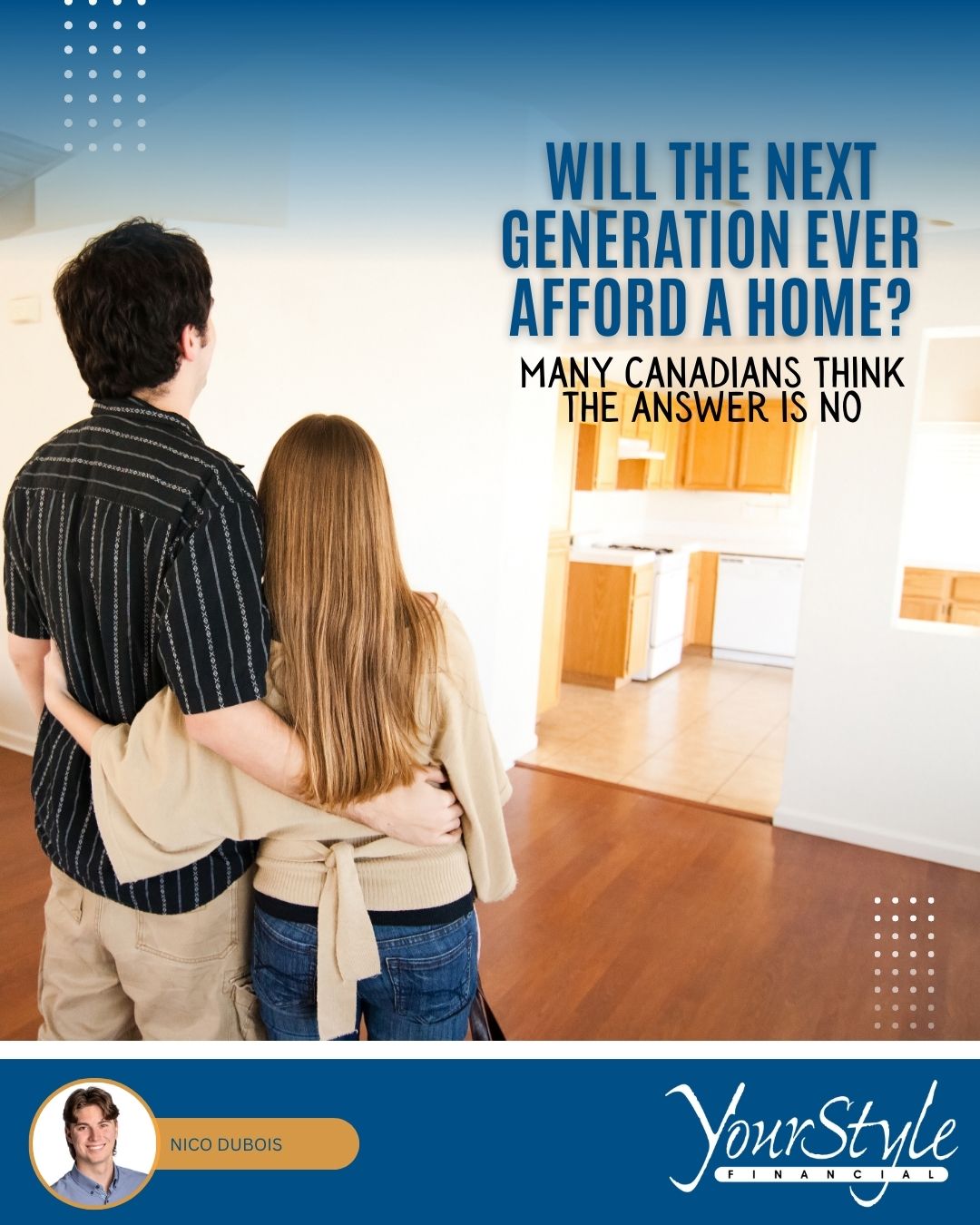
If you’ve heard someone say “the next generation will never be able to afford a home”, you’re not alone. Housing affordability is one of the biggest financial concerns facing Canadians today—especially young families, small business owners, and people working in agriculture where income can be seasonal or unpredictable.
That’s exactly why the First Home Savings Account (FHSA) exists.
As a newer financial planner, I’m often surprised by how many people haven’t heard of the FHSA yet. It’s one of the most generous tools the Canadian government has ever introduced for first-time home buyers—and when used properly, it can make a meaningful difference.
Let’s break it down in plain language.
What Is the FHSA?
The FHSA is a registered savings account designed specifically to help Canadians save for their first home. It combines some of the best features of both an RRSP and a TFSA:
- Contributions are tax deductible
- Qualified withdrawals for a first home are tax free
In other words, you get a tax break going in and coming out—something that’s extremely rare.
Who Is Considered a Qualified First-Time Home Buyer?
You may qualify even if you’ve owned a home in the past.
You are considered a qualified first-time home buyer if:
- You have not lived in a home you owned or jointly owned in the last four calendar years
- You have not lived in a home your spouse or common-law partner owned or jointly owned in the last four years
- You are at least 18 years old
This definition is broader than many people expect, which is why it’s worth checking before assuming you’re not eligible.
FHSA Contribution Rules (This Part Is Important)
Here’s where timing really matters.
- You can contribute up to $8,000 per year
- The lifetime contribution limit is $40,000
- Contribution room only starts once you open the account
- Unlike a TFSA, room does not automatically accumulate when you turn 18
This means if you’re eligible and planning to buy a home someday—even if it’s far off—it can make sense to open an FHSA sooner rather than later.
And yes, contributions are tax deductible, which can be especially helpful for individuals with fluctuating income, such as farmers, ag professionals, and small business owners.
How FHSA Withdrawals Work
When used properly, FHSA withdrawals are very flexible and very tax-efficient.
Using Your FHSA to Buy a First Home
- Withdrawals used to buy a qualified first home are tax free
- You must occupy or intend to occupy the home as your principal residence within one year of buying or building it
- Funds must be withdrawn within 30 days of purchasing the home
Used correctly, this can significantly reduce the amount you need to borrow.
What If You Don’t End Up Buying a Home?
Life doesn’t always follow the original plan—and the FHSA accounts for that.
If you don’t use your FHSA to buy a home:
- You can transfer the balance to your RRSP (without using RRSP contribution room)
- Or, you can withdraw the funds—but those withdrawals will be taxable as income
This flexibility makes the FHSA low-risk and highly adaptable.
Why the FHSA Matters—Especially Right Now
With rising home prices, higher interest rates, and ongoing conversations about affordability, the FHSA gives Canadians a real, practical advantage—not just hope.
For younger Canadians, it creates a structured way to save.
For those in agriculture or self-employment, it offers tax flexibility.
For everyone, it’s a reminder that smart planning still matters.
Final Thoughts
The FHSA is one of those tools that doesn’t get nearly enough attention—but it should. Whether you’re actively planning to buy a home or just trying to keep future options open, understanding how the FHSA works is an important first step.
As a financial planner, my goal is to help people turn complex rules into clear, confident decisions—and to make sure opportunities like this don’t get missed simply because they weren’t explained well.
If you’re unsure whether the FHSA fits your situation, or how it works alongside other tools like TFSAs and RRSPs, I’m always happy to talk it through.
Second opinions are welcome.